Integrated Stress Response (ISR): How Cells React to Stress
Have you ever wondered what happens when your cells get stressed? Just like us, cells experience different types of stress and have their own ways to cope. This protective mechanism is called the Integrated Stress Response (ISR) — the cell’s emergency management system.
From Homeostasis to Cell Injury
A normal cell lives in a balanced condition called homeostasis.
When stress occurs — say, due to lack of oxygen, infection, or toxins — the cell first tries to adapt. This adaptive phase is called cellular adaptation.
If adaptation fails, the cell gets injured.
-
Mild and temporary stress causes reversible injury — the cell can return to normal once the cause is removed.
-
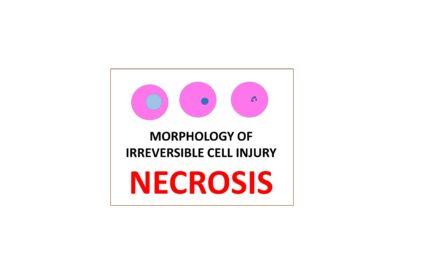
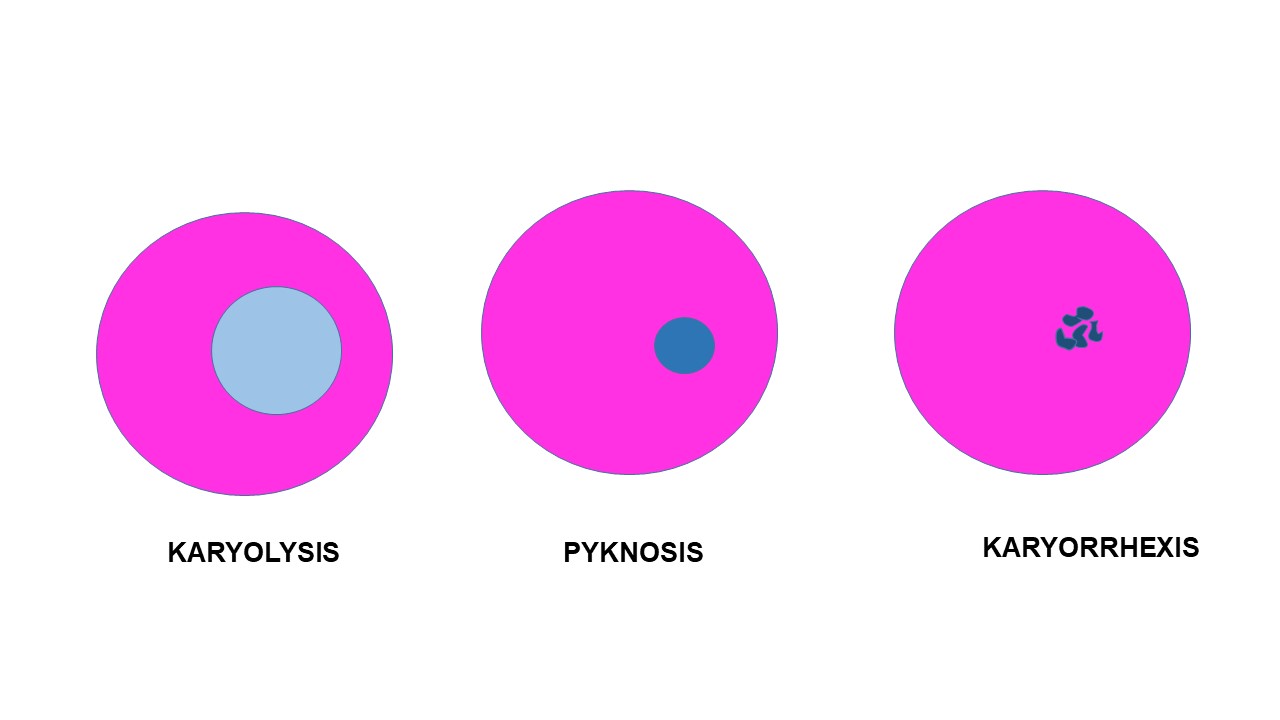
Severe or prolonged stress leads to irreversible injury, resulting in necrosis or apoptosis (programmed cell death).
What Is the Integrated Stress Response ( ISR)?
The Integrated Stress Response (ISR) is a network of intracellular signaling pathways that helps the cell cope with various kinds of stress.
It regulates gene expression and protein synthesis, allowing the cell to restore balance and survive.
In simple terms — ISR is the cell’s way of slowing things down, conserving energy, and fixing problems before deciding whether to live or die.
Common Cellular Stressors
Cells can face many types of stress, including:
-
Hypoxia or ischemia (lack of oxygen or blood supply)
-
Infections (viral or bacterial)
-
Nutrient deprivation
-
Membrane damage
-
Accumulation of damaged or misfolded proteins
Each of these triggers the integrated stress response through specialized sensors inside the cell.
Stress-Sensing Kinases: The Four Key Players
Cells detect stress using special enzymes called stress-sensing kinases. There are four major types:
-
PKR (Protein Kinase R): Detects endoplasmic reticulum (ER) stress
-
PERK (PKR-like ER Kinase): Detects amino acid shortage
-
GCN2 (General Control Nonderepressible-2): Activated by viral infections
-
HRI (Heme-Regulated eIF2α Kinase): Responds to iron deficiency
What Happens Next: Phosphorylation of eIF2α
All these kinases act on a common molecule — eIF2α (Eukaryotic Initiation Factor 2 alpha).
-
In its unphosphorylated form, eIF2α keeps protein synthesis ON.
-
When phosphorylated (a phosphate group is added), it switches protein synthesis OFF.
By turning off global protein production, the cell conserves energy and focuses on repairing itself. This slowdown gives the cell time to restore homeostasis.

Role of ATF4 and Stress Response Genes
When eIF2α is phosphorylated, it increases the production of a transcription factor called ATF4.
ATF4 activates several stress-response genes that help the cell recover:
-
Antioxidant response genes: Detoxify harmful free radicals
-
Protein-folding genes: Ensure proper folding of newly formed proteins
-
Autophagy-related genes: Help remove damaged components
-
Cell-fate regulators: Decide whether the cell will survive or undergo apoptosis
So, ATF4 plays a key role in determining the cell’s destiny — recovery or programmed death.
Outcomes of the Integrated Stress Response ( ISR)
The final outcome of ISR depends on how severe the stress is:
-
Mild stress: The cell repairs itself, restores normal function, and survives.
-
Severe stress: The cell undergoes apoptosis (programmed death) to prevent further damage.
Clinical Relevance: ISR and Disease
When the integrated stress response malfunctions, it contributes to several diseases:
-
Cancer
-
Autoimmune disorders
-
Type 2 diabetes
-
Age-related neurodegenerative diseases (like Alzheimer’s or Parkinson’s)
Thus, understanding ISR helps us connect basic cellular events with major disease processes.
Key Takeaway of Integrated stress response ( ISR)
The Integrated Stress Response acts as the cell’s built-in emergency system.
It senses problems, slows down unnecessary processes, activates repair mechanisms, and decides whether the cell will recover or die.