Polyarteritis Nodosa
Polyarteritis nodosa (PAN) is a systemic vasculitis involving small- and medium-sized muscular arteries.
Although classified as a medium-vessel vasculitis, small muscular arteries may also be involved.
A characteristic feature is involvement of the renal and visceral vessels, with sparing of the pulmonary circulation.
Pathogenesis
In a proportion of patients, polyarteritis nodosa is associated with chronic hepatitis B infection.
In these patients:
HBsAg–anti-HBs immune complexes → deposition in vessel wall → complement activation → necrotizing inflammation of arteries
In the remaining patients, the cause is idiopathic.
Distribution of Vascular Lesions
The arterial involvement in PAN has some important characteristics:
- The inflammation is segmental, involving only part of the vessel circumference.
- There is a predilection for branch points.
- Different arteries may be affected unevenly.
- Pulmonary circulation is typically spared.
The vessels commonly involved include those supplying the:
Kidney → Heart → Liver → Gastrointestinal tract
Morphology
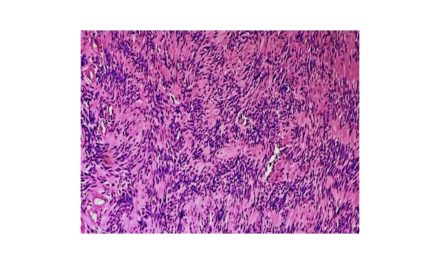
The histological appearance depends on the stage of the vascular lesion.
Acute Lesions
Acute lesions show transmural inflammation, involving all layers of the vessel wall.
The inflammatory infiltrate is mixed and may contain:
- Neutrophils
- Eosinophils
- Mononuclear cells
Severe inflammation may result in fibrinoid necrosis of the vessel wall.
Luminal thrombosis may occasionally occur.
Chronic Lesions
Older lesions undergo healing and scarring.
They show:
- Fibrous thickening of the vessel wall
- Fibrosis extending into the adventitia
An Important Characteristic of PAN
One of the characteristic morphological features of polyarteritis nodosa is the coexistence of lesions at different stages of evolution.
Thus, early, active, and healed fibrotic lesions may be present simultaneously, sometimes even within the same vessel.
This indicates repeated or ongoing vascular injury.
Consequences of Vascular Injury
Arterial inflammation compromises blood flow to the tissues supplied by the affected vessel.
Reduced perfusion can result in:
- Ischemic atrophy
- Infarction
- Ulceration
- Hemorrhage
The clinical manifestations therefore depend largely on which vessels and organs are involved.
Clinical Features
PAN predominantly affects young adults, although it can occur at any age.
The disease may have a remitting and episodic course, with long symptom-free intervals.
Patients may initially present with nonspecific symptoms such as:
- Fever
- Weight loss
- Malaise
- Weakness
- Headache
- Abdominal pain
- Myalgia
More specific manifestations depend on the organ involved.
| Organ/System Involved | Possible Manifestations |
|---|---|
| Renal vessels | Hypertension, renal failure |
| Gastrointestinal vessels | Abdominal pain, ischemic bowel injury |
| Muscles/peripheral nerves | Myalgia, peripheral neuritis |
| Skin | Rash, purpura, nodules, ulceration |
| Heart | Cardiac failure, myocardial infarction, pericarditis |
| Central nervous system | Cerebrovascular events, altered mental status, seizures |
Renal arterial involvement is particularly important and may be a major cause of mortality.
Diagnosis
Diagnosis may be difficult because of the widely variable clinical manifestations.
A high index of suspicion is therefore important.
When skin lesions are present, biopsy may demonstrate the characteristic vascular changes.
Other investigations mentioned in the lecture include arteriography and MRA.
Treatment
Treatment is predominantly with immunosuppression.
The response to appropriate treatment can be dramatic, whereas untreated disease may have a poor outcome.
Key Take-Home Points
- PAN is a systemic necrotizing vasculitis of small- and medium-sized muscular arteries.
- Renal and visceral vessels are commonly involved.
- Pulmonary circulation is spared.
- Hepatitis B-associated cases are related to immune-complex deposition.
- Vascular inflammation is characteristically segmental and transmural.
- Acute lesions may show fibrinoid necrosis.
- Lesions of different ages may coexist, reflecting ongoing vascular injury.
- Clinical manifestations vary according to the vessels involved.
- Immunosuppression is the mainstay of treatment.
Want to Understand PAN Better?
Why does PAN produce such varied clinical manifestations? Why are lesions of different ages found in the same patient? And how does it differ from the other medium-vessel vasculitides?
▶️ Watch the complete video on ILovePathology for the illustrations, histopathology, organ-wise manifestations, diagnostic approach, and comparison with other medium-vessel vasculitides.