
Bechet Syndrome
Bechet syndrome is a systemic inflammatory disorder characterized by vasculitis involving both arteries and veins, along with recurrent mucocutaneous ulceration and multisystem involvement.
The disease commonly begins around 30 years of age and is generally more severe in males.
Pathogenesis
The exact cause of Bechet syndrome is unknown.
It is believed to occur in genetically susceptible individuals following an unknown environmental trigger.
This results in an abnormal T-helper 17 (Th17) cell response, leading to inflammation and tissue injury.
Clinical Features
Bechet syndrome can involve multiple organs.
1. Mucocutaneous Lesions
- Oral ulcers: Recurrent, self-healing aphthous ulcers are seen in almost all patients.
- Genital ulcers: Usually larger and more persistent than oral ulcers.
- Skin lesions: May resemble acne or erythema nodosum.
2. Ocular Involvement
Ocular manifestations occur in approximately half of the patients.
Important findings include:
- Uveitis
- Hypopyon (accumulation of neutrophils in the anterior chamber)
- Retinal vasculitis
3. Cardiovascular Involvement
Both arteries and veins may be affected.
Important manifestations include:
- Arterial aneurysms
- Venous thrombosis
Venous thrombosis may be associated with complications such as pulmonary embolism or Budd-Chiari syndrome.
4. Neurological Involvement
Inflammatory lesions may develop in the brain, particularly the brainstem.
These lesions may result in permanent neurological injury and can occasionally be life-threatening.
Morphology
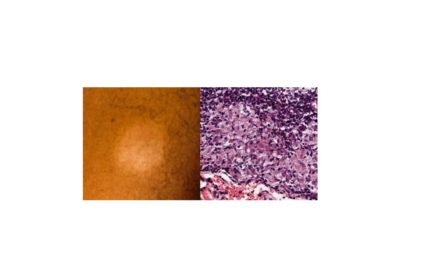
Skin biopsy may show leukocytoclastic vasculitis involving small dermal blood vessels.
The vessel walls show inflammatory infiltration, predominantly by neutrophils, including degenerating neutrophils. Lymphocytes and macrophages may also be present.
Diagnosis
There is no single clinical feature that is specific for Bechet syndrome.
Diagnosis is based on the combination of characteristic clinical manifestations, supported by appropriate investigations and imaging.
Recurrent oral and genital ulcers associated with skin, ocular, vascular, or neurological involvement should raise suspicion of Bechet syndrome.
Key Take-Home Points
- Bechet syndrome is a systemic vasculitis involving both arteries and veins.
- Recurrent oral ulcers are the characteristic manifestation.
- Genital ulcers, skin lesions, and ocular involvement are common.
- Arterial aneurysms and venous thrombosis are important vascular manifestations.
- Abnormal Th17-mediated immunity plays a role in pathogenesis.
- Skin biopsy may show leukocytoclastic vasculitis.
- Diagnosis depends on the overall clinical pattern rather than a single specific finding.